
Lok Chetna Samiti - A Girls Hostel for Elementary & Middle School Students from the marginalized Musahar community
The Musahars or the ‘rat-eating’ communities of India are among the poorest of the poor with exceedingly small landholdings, high unemployment and illiteracy rates, and chronic malnutrition. While they are classified as ‘scheduled castes’ denoting their status; the reality of their lives is particularly gruesome. They are treated as untouchables and find little recourse or help from government aid programs. Father Jayant (who is the speaker in the video) has lived amongst, studied about, and worked with the Musahars for decades now. He leads the work being done at the Lok Chetna Samiti - Girls Hostel for children from the Musahar community, as well as providing (in smaller numbers) for students from other local marginalized communities.
Our visit to Lok Chetna Samiti Girls Hostel was a joy from the moment we drove into the large compound that houses the hostel and its grounds. The building itself is a nondescript white color but inside you are greeted by a garden with trees overflowing with jackfruit. Eastern UP being a fertile land is flowering and fruiting with mangoes, guavas, amlas (Indian gooseberry), jackfruits, and countless others – all this despite a late and sluggish monsoon season.
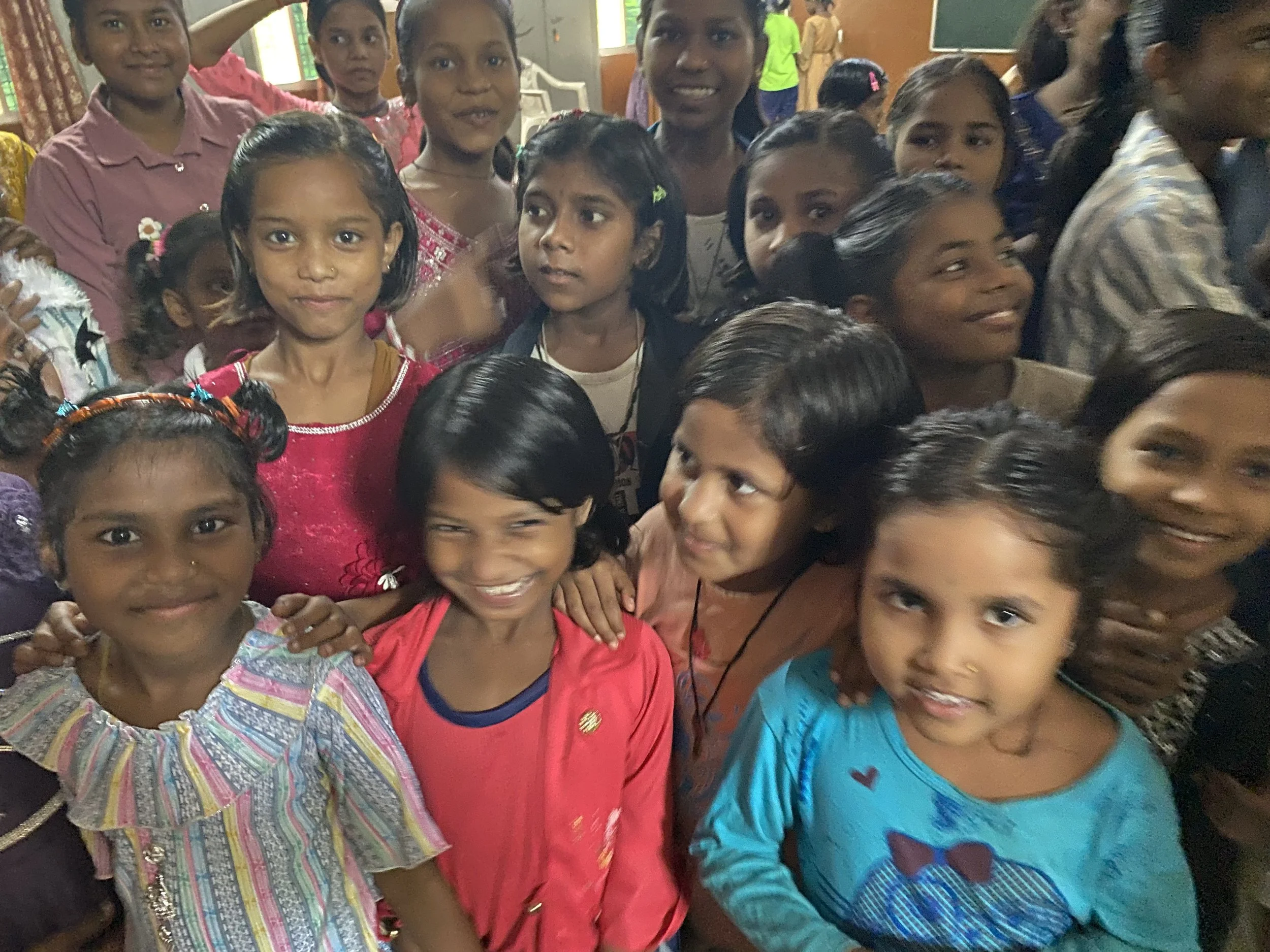
The Hostel serves girls from 1st grade to 8th. At present, younger students predominate.
Coming in from the stifling heat and humidity into the clean compound of the hostel with its high ceilings and cool stone floors was a relief. We sat down and talked to the girls and their teachers. This is an organization that has lost its FCRA (Foreign Currency Regulation Act) certificate, in effect cutting off all funding from foreign sources. This is also an organization that works with the Musahar who are stigmatized by other sections of society so that their opportunities for employment and education are further limited.
However, the Lok Chetna Samiti Hostel houses 40 girls from grades 1 to 8. Their parents come to see them once a month on a Sunday. For the rest of the time, the girls are in the care of the hostel staff. They go to government elementary and middle schools that are walking distance. Once they return from school, they are tutored by Savitri Madam in the hostel itself. This is absolutely essential given the doubtful quality of government schools. However, government schools are free, and it has been possible for all the girls at the hostel to get admission over there.
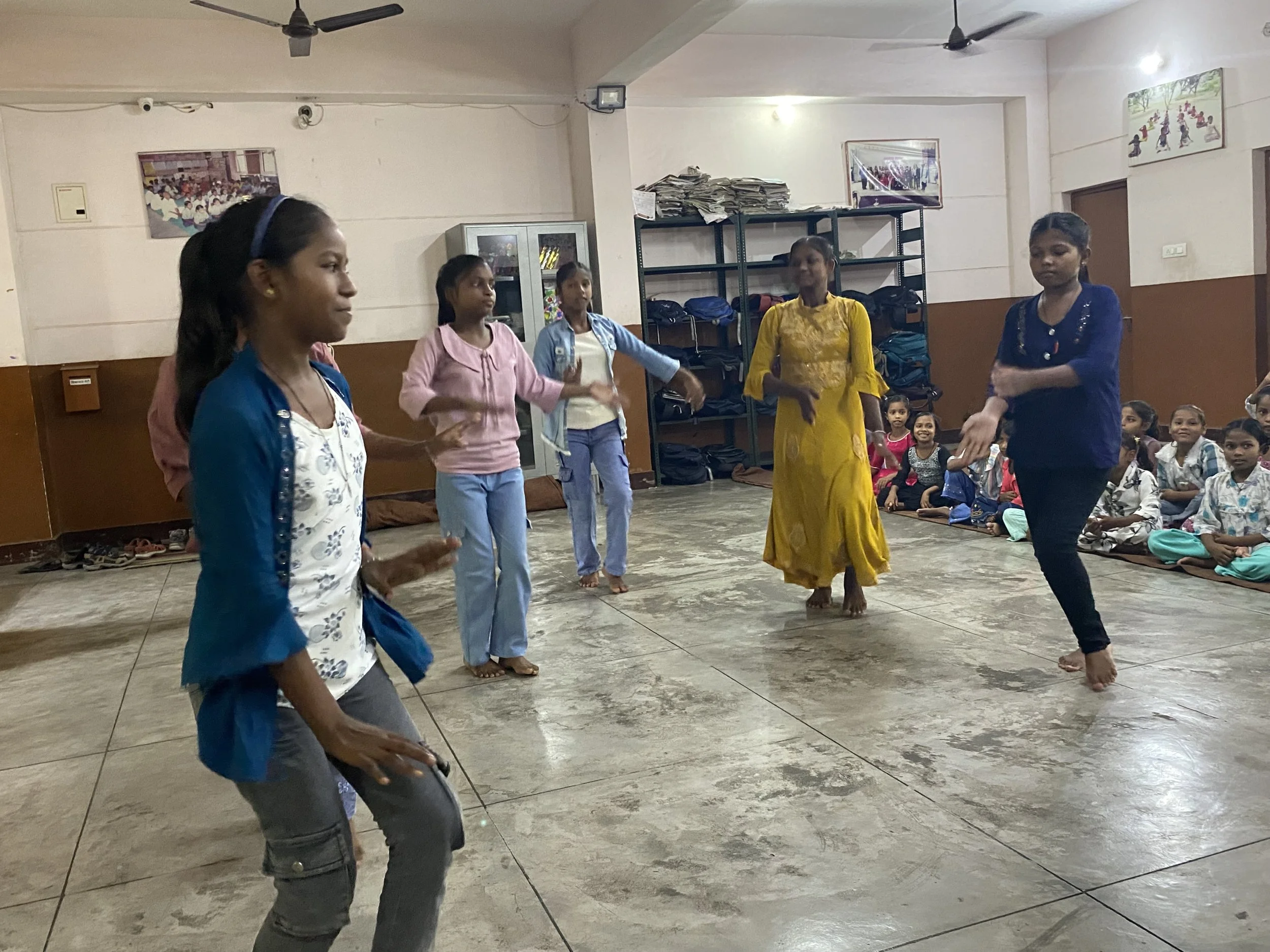
A very talented and artistically gifted group of girls performed through dancing and singing.
The girls follow a set daily routine that includes yoga, music, dance, studying, as well as taking responsibility to keep the premises clean. After a few months of being here, most students do not want to go back not least because they get used to having electricity and a clean space to live in. However, for the girls who have just arrived it is difficult to adjust to being away from their mother and to the schedule in a hostel.
After some conversation with the students, they presented the most delightful program for us. We were regaled by jokes, entertained by dances and poems. All the girls participated and they were all beautifully talented performers.
It is a pang to think that this worthwhile project giving opportunity to girls from one of the most marginalized communities in India is now questioning how it will continue. We are hopeful that Lok Chetna Samiti will regain its FCRA status but even if it does happen, the change in their status will take at least a year to come to pass. When that does happen we hope to be able to pick up where we left off and provide support, along with ASHA, to the girls who are the primary beneficiaries of the the hostel.
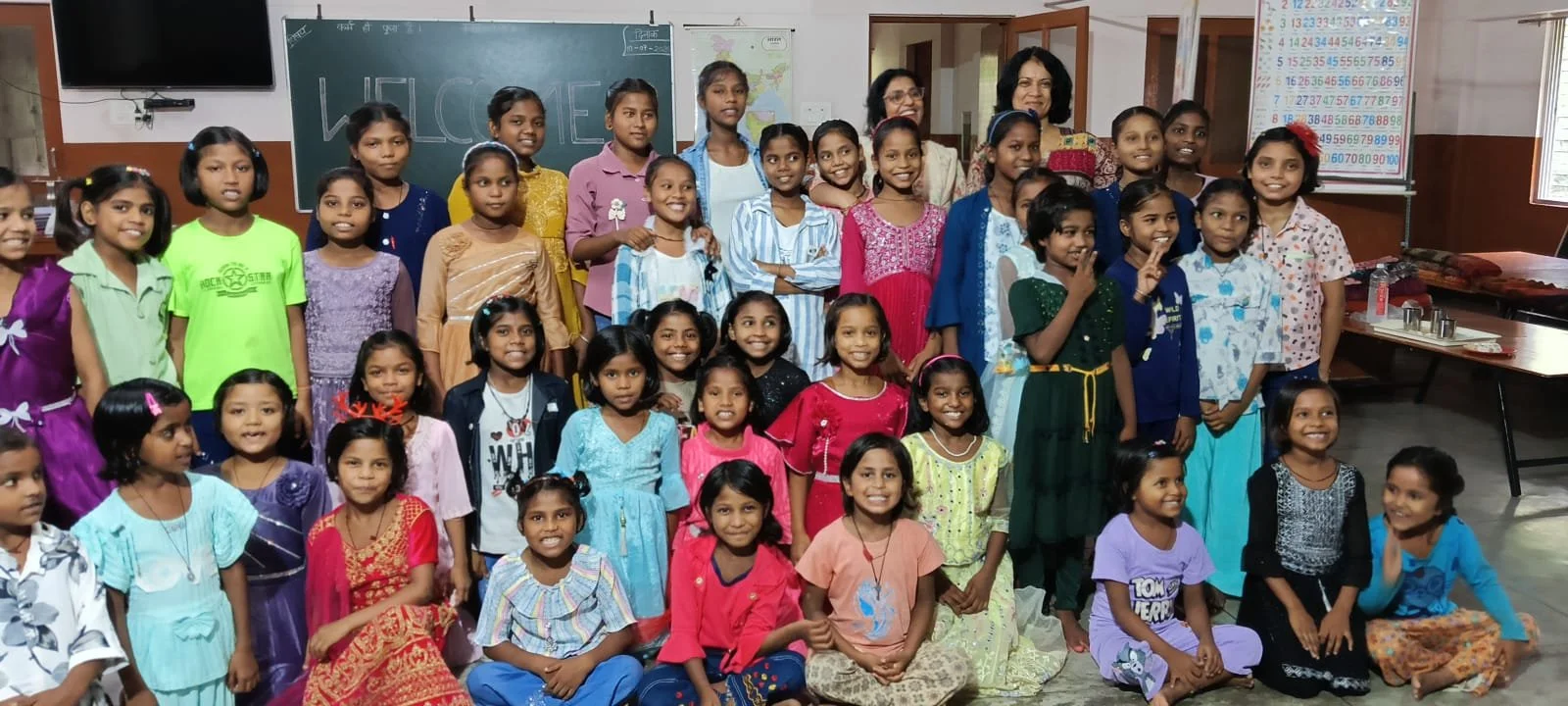
Smiling faces, dancing feet, and joyous voices - girls enjoy being in the hostel and welcomed us warmly with much chatter and play.